
Scientific research depends on trust. That trust begins with knowing that the biological material used in experiments is correct. Cell lines are a foundation of medical, pharmaceutical, and academic research. When a cell line is misidentified or contaminated, the entire research outcome can become unreliable. This is why learning how to authenticate a cell line is no longer optional for modern laboratories.
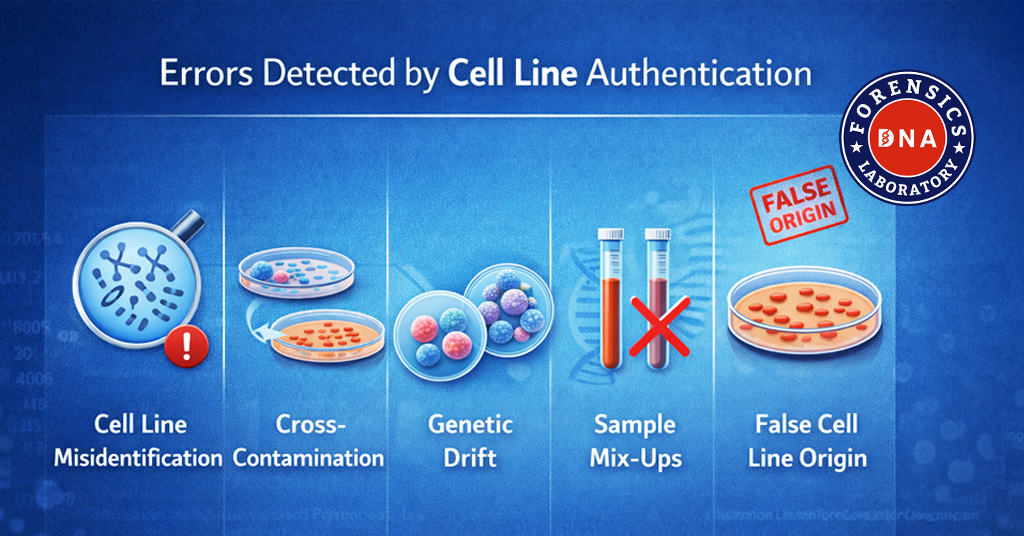
Cell line authentication is a process that helps researchers and other professionals confirm that the cells being studied or experimented upon are genuine, uncontaminated, and suitable for their intended purpose. It detects three critical errors:
- Misidentification of the cell line
- Cross-contamination with other cells, and
- Genetic drift occurring over repeated passages
Without undergoing a proper authentication process, even well-designed studies can produce misleading results. This blog explains cell line authentication in simple terms, why it matters, and how laboratories can follow best practices to protect their research.
What Cell Line Authentication Actually Means
Cell line authentication is a scientific process used to verify the identity of a cell line. It ensures that the cells used in experiments are exactly what the researcher believes them to be. This process checks whether the cell line matches its known genetic profile and confirms that it has not been mixed with another cell line.
Authentication is not based on appearance or growth behavior. Cells can look normal under a microscope and still be incorrect. Genetic testing is the only reliable way to confirm identity. This is why cell line authentication has become a standard quality control requirement in research environments worldwide.
Why is Cell Line Authentication So Important?
Many laboratories unknowingly work with misidentified cell lines for years. Studies have shown that a significant percentage of published research is based on incorrect or contaminated cell lines.
This creates serious scientific and ethical problems.
Unauthenticated cell lines can lead to inconsistent results, failed experiments, and incorrect conclusions. Drug development studies may fail after years of investment. Published papers may face rejection or retraction. Funding agencies and journals increasingly demand proof of authentication before accepting research work.
Authenticating the cell line of interest protects time, funding, and scientific credibility. It also supports reproducibility, which is essential for meaningful research progress.
How to Authenticate a Cell Line Using Standardized Methods
Understanding how to authenticate a cell line begins with knowing that authentication requires genetic analysis. It cannot be done through visual inspection or routine laboratory testing. The process involves comparing the genetic markers of the test sample with reference data.
The authentication process for the cell lines is recommended at several stages. These include when a new cell line is received, before major experiments, during long-term culture use, and before submitting research for publication. Regular testing helps detect problems early, before they affect critical data.
Most Accurate & Popular Cell Line Authentication Method
Several cell line authentication methods are used globally. However, not all methods offer the same level of reliability. The most widely accepted technique for human cell lines is Short Tandem Repeat profiling, commonly known as STR profiling.
STR profiling examines specific regions of DNA that vary between individuals. These markers create a unique genetic profile for each cell line. The profile is compared with established reference databases to confirm identity. This method is accepted by scientific journals and regulatory authorities worldwide.
Additional testing may be used to detect cross-species contamination. When combined, these approaches ensure that the cell line is both authentic and uncontaminated.
Cell Line Authentication in India: Growing Research Responsibility
Cell Line authentication in India has gained importance as research activity expands across academic institutions, biotechnology firms, and pharmaceutical companies. Indian journals, funding bodies, and regulatory authorities are increasingly aligned with international research standards.
Many Indian laboratories now require documented proof of authentication before publishing data or submitting regulatory files. This shift reflects a growing focus on research integrity and global acceptance. Reliable testing within India also reduces delays, costs, and logistical challenges for researchers.
Choosing an experienced laboratory for authentication ensures that results meet both national and international expectations.
When Should Cell Lines Be Authenticated?
Authentication should be proactive, not reactive. Many laboratories wait until results appear inconsistent, which increases risk. Best practices recommend authentication at defined checkpoints.
These include receiving a new cell line, reviving frozen stocks, before critical experiments, and prior to manuscript submission. Long-term cultures should also be tested at regular intervals.
Regular authentication saves time and resources. It also prevents the need to repeat experiments due to avoidable errors.
What Is Required for Cell Line Authentication Testing?
Cell line authentication does not require large sample volumes. A small number of viable or frozen cells is usually sufficient. However, proper labeling and documentation are essential.
Researchers are typically asked to provide passage details, cell line history, and relevant background information.Professional laboratories assist with sample handling and shipping instructions to maintain sample integrity.
Clear communication between the researcher and the testing laboratory improves accuracy and turnaround time.
Understanding Cell Line Authentication Reports
Authentication reports should be clear and easy to interpret. A standard report explains whether the tested cell line matches known reference profiles. It also identifies contamination, if present.
Reports usually include genetic marker data, database comparisons, and a clear conclusion on identity. Researchers should retain these reports for audits, publications, and regulatory submissions.
Proper documentation strengthens transparency and builds trust in research findings.
Role of Accredited Laboratories in Cell Line Authentication
The accuracy of results depends on the laboratory performing the test. Experienced laboratories follow validated protocols and maintain strict quality controls. They also ensure confidentiality and data security.
Accredited laboratories use standardized procedures that meet global research expectations. Choosing the right laboratory is as important as choosing the right testing method.
Reliable results support publication acceptance, regulatory compliance, and long-term research success.
Why DNA Forensics Laboratory Pvt. Ltd. Is a Trusted Choice
DNA Forensics Laboratory Pvt. Ltd. is a reputed DNA testing organization with over ten years of experience. The laboratory follows internationally accepted standards for Cell Line Authentication and delivers accurate, reproducible results.
With more than 400 sample collection centers across India and worldwide, accessibility is simple and convenient. The laboratory provides clear reports that support publication and compliance needs. Strict confidentiality and quality assurance are maintained at every step.
These strengths make DNA Forensics Laboratory Pvt. Ltd. a reliable partner for academic institutions, research organizations, and biotechnology companies.
Additional Services Offered by DNA Forensics Laboratory Pvt. Ltd.
In addition to cell line authentication, DNA Forensics Laboratory Pvt. Ltd. offers peace of mind DNA testing, ancestry testing, and immigration DNA testing. It is also the only private company authorized to conduct legal DNA tests for honorable courts of law. This reflects its credibility, compliance standards, and technical expertise.
Conclusion
Learning how to authenticate a cell line is essential for reliable and ethical research. Authentication protects data integrity, supports reproducibility, and prevents avoidable scientific errors. As research standards continue to evolve, authentication is becoming a basic responsibility rather than an optional step.
By choosing validated methods and experienced laboratories, researchers can safeguard their work and reputation. DNA Forensics Laboratory Pvt. Ltd. stands as a trusted name for dependable cell line authentication in India and beyond.
For more information, or to book your cell line authentication test, get in touch with us at DNA Forensics Laboratory Pvt. Ltd. Just give us a call at +91 8010177771 or WhatsApp your query at +91 9266615552.
Frequently Asked Questions
- What does it mean to authenticate a cell line?
Authenticating a cell line means scientifically verifying its true identity using genetic testing. It confirms that the cell line is correctly identified, free from cross contamination, and has not changed due to genetic drift over time.
- Which of the following is a common method for cell line authentication?
Short Tandem Repeat (STR) profiling is the most common and widely accepted method for authenticating human cell lines. It compares genetic markers of the test sample with established reference databases.
- What are AML 12 cells?
AML 12 cells are a specific cell line derived from acute myeloid leukemia. They are used in research to study leukemia biology, disease progression, and responses to potential therapeutic agents.
- What are AML cell lines?
AML cell lines are laboratory-grown cells derived from patients with acute myeloid leukemia. They are used as research models to understand leukemia mechanisms, test drugs, and study genetic and molecular changes in AML.
- Where to get the most reliable cell line authentication test?
DNA Forensics Laboratory Pvt. Ltd. provides highly reliable cell line authentication testing using internationally accepted standards, clear reporting, strict quality control, and support for publication and regulatory requirements.

